Recognizing Women’s Heart Health
Heart health is a priority for everyone, yet women often face a unique challenge when it comes to recognizing the symptoms of a heart attack. Heightened awareness and proactive healthcare measures can make a difference. Here are a few things to keep in mind:
- Subtle and Atypical Symptoms:
- Women may experience heart attack symptoms that are less overt than the classic chest pain felt by men.
- Atypical symptoms, such as fatigue, nausea, and discomfort in the chest, jaw, or back, can be subtle and easily dismissed.
- Misinterpretation as Stress or Anxiety:
- Women, more than men, may attribute their symptoms to stress, anxiety, or other non-cardiac causes.
- This tendency to downplay symptoms can lead to delayed recognition and intervention.
- Hormonal Influences:
- Hormonal changes, especially during menopause, can affect the cardiovascular system.
- Women may experience symptoms that are mistakenly attributed to hormonal fluctuations rather than considering the possibility of a heart attack.
- Underestimation of Risk:
- There is a prevailing misconception that heart attacks primarily affect older men.
- Younger women or those with fewer traditional risk factors may not be as vigilant about heart health, leading to delayed medical attention.
- Cultural and Societal Factors:
- Societal expectations and cultural norms can influence how women perceive and express their symptoms.
- The pressure to fulfill multiple roles may lead women to prioritize others’ well-being over their own health concerns.
To address the issue of overlooked heart attack symptoms in women, it is imperative to challenge stereotypes, increase awareness, and foster open conversations about women’s heart health.
Women and CPR: Breaking Barriers to Saving Lives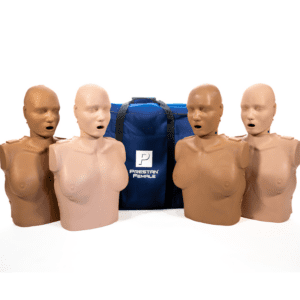
While awareness of heart attack symptoms is critical, another important issue often goes unnoticed: women are less likely to receive bystander CPR during a cardiac emergency.
Research has shown that women who experience sudden cardiac arrest in public are less likely than men to receive lifesaving CPR from bystanders. Several factors contribute to this disparity, including fear of causing injury, concerns about inappropriate contact, uncertainty about identifying cardiac arrest in women, and a lack of confidence when responding to a female victim.
Unfortunately, these hesitations can have serious consequences. Every minute without CPR decreases the chance of survival, making immediate action essential regardless of a person’s gender.
Overcoming CPR Hesitation
Learn more about the female CPR manikins we use in training and why representation matters in CPR education.
Education and hands-on practice are key to breaking down barriers and increasing confidence. CPR training should prepare students to respond quickly and effectively to anyone experiencing cardiac arrest, including women.
One way to improve comfort and confidence is by incorporating female CPR manikins into training programs. Traditional CPR training has often relied on male-bodied manikins, which may unintentionally reinforce the perception that cardiac emergencies primarily affect men. Training with female manikins helps students become more comfortable recognizing landmarks, performing compressions, and responding appropriately in real-world situations.
At CPR Choice, we believe CPR training should reflect the people we may be called upon to save. By educating students on the unique signs and symptoms of heart attacks in women and providing hands-on training with female CPR manikins, we help build the confidence needed to recognize emergencies quickly and respond without hesitation.
Greater awareness, better training, and immediate action can save lives. To learn more about our CPR training programs and commitment to inclusive, real-world CPR education, visit cprchoice.com or call us at 865-548-1500.